What it does
Spark Inspection Intelligence processes infrastructure imagery and detects defects using AI.
Autonomous inspection & monitoring software
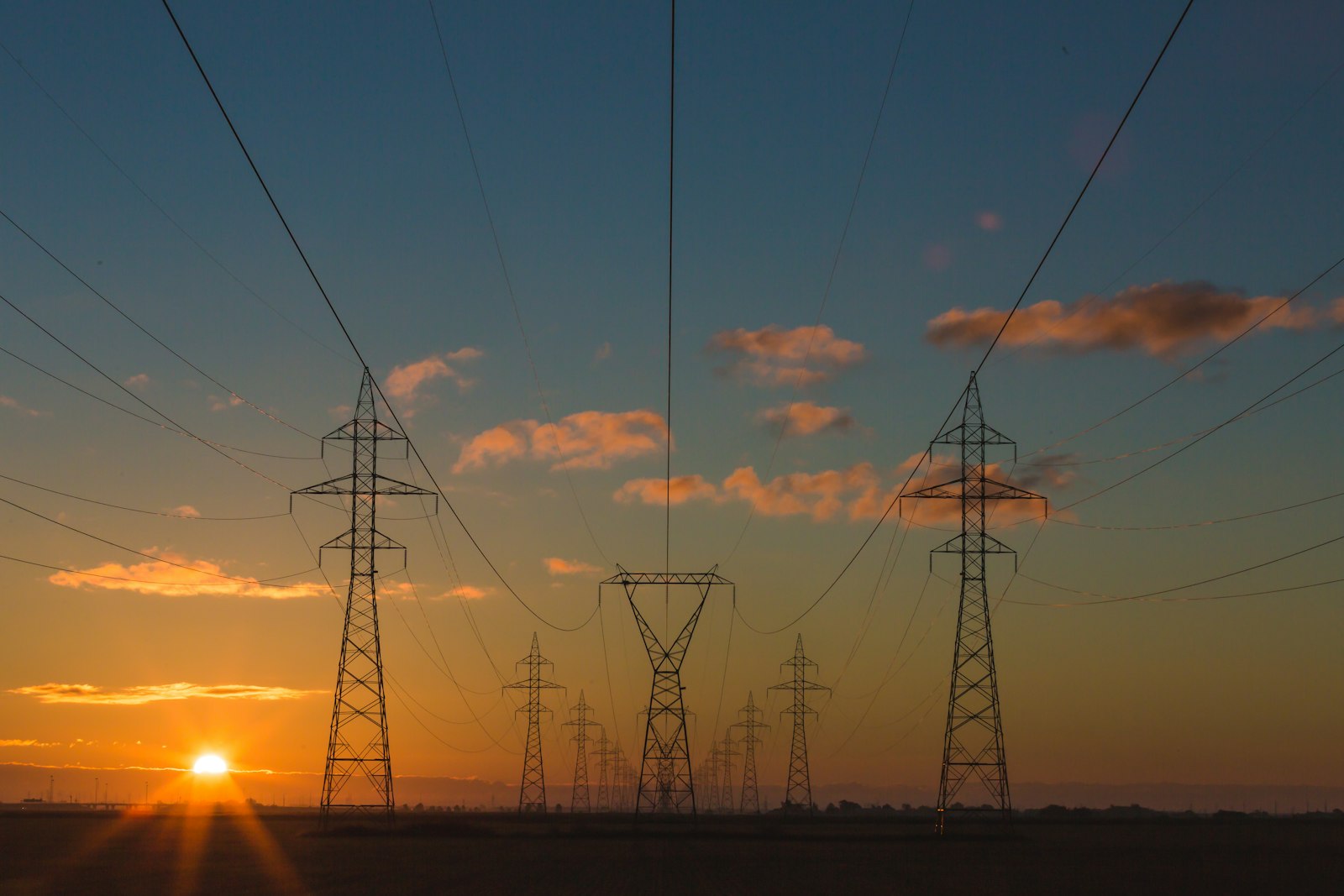
AI-powered infrastructure inspection with computer vision and thermal analytics.
Spark Inspection Intelligence processes infrastructure imagery and detects defects using AI.
Built for utilities, infrastructure operators, and industrial field teams.
It improves inspection speed, safety, and maintenance decision quality at scale.
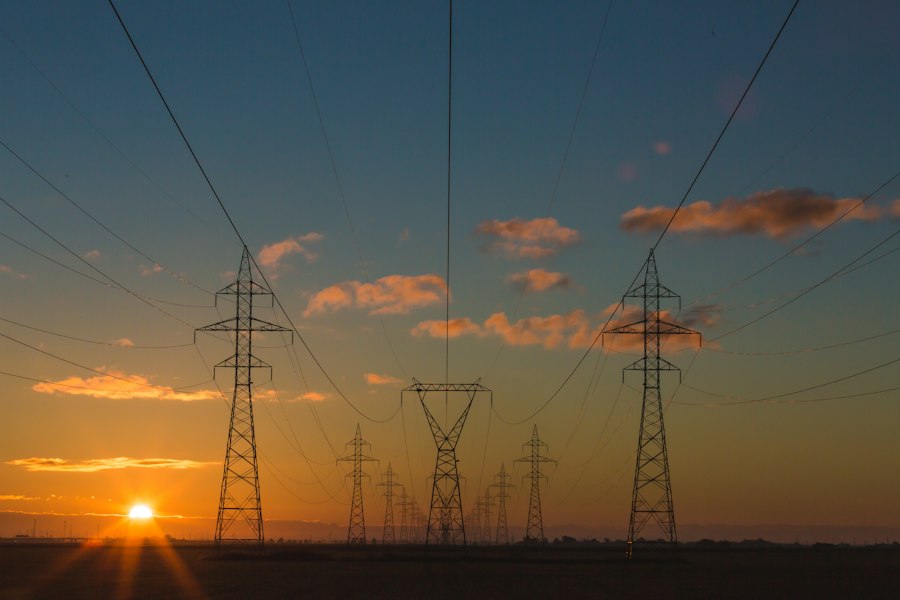
Ingest and structure field imagery from drone programs.
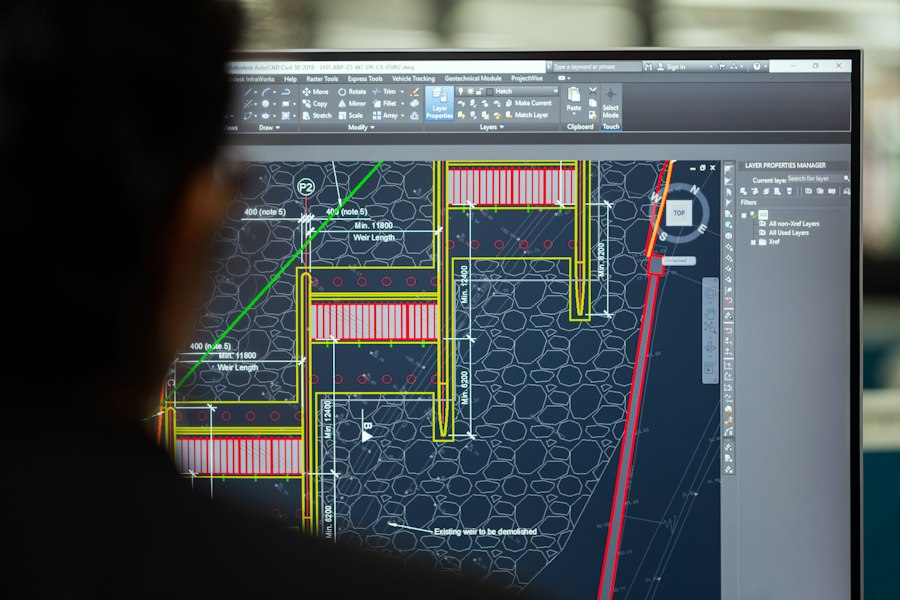
Identify corrosion, damage, and structural anomalies automatically.
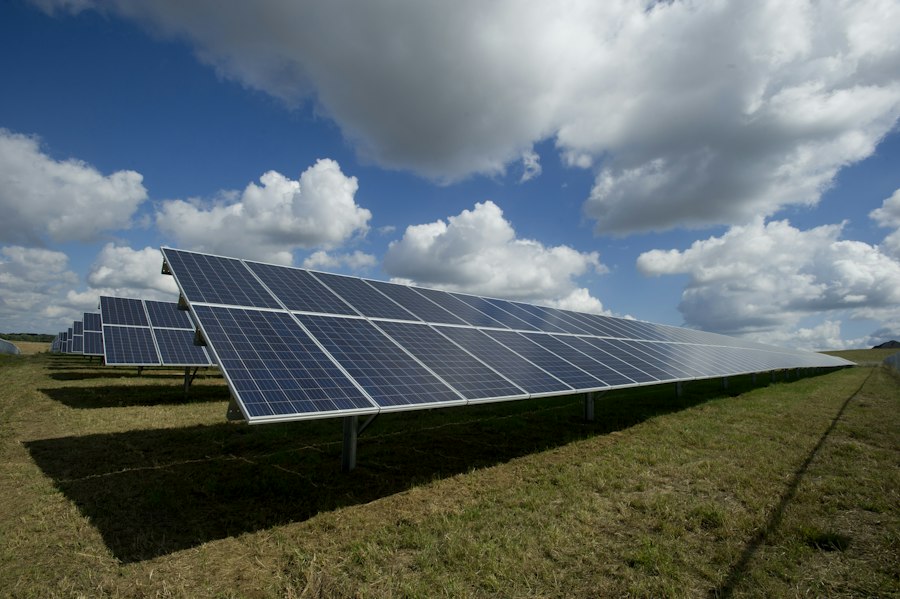
Detect heat signatures and prioritize critical thermal events.

Generate actionable reports with prioritized maintenance insights.
Rapid PoC for one site and baseline workflows.
Multi-site deployment with advanced analytics.
Custom deployment with full integration and governance.
Deploy inspection intelligence that improves reliability and field safety.
Artificial intelligence monitoring is the result of an AI-powered algorithm analyzing data on any process or operation. By using AI to analyze the data, the analysis is fully automated, generating insights on the process, asset, or operation being monitored.
Yes, inspections can and should be automated to boost safety and efficiency. Several sensors and technologies are used to automate inspections, and often robots and drones are used to automate visual inspections.
An automated inspection system automatically collects and analyzes data on any asset that needs inspection. It consists of the data collection platform (sensors, drones, robots, etc.) and the data management platform, responsible for requesting, managing, analyzing, reporting and distributing that data.
The top advantages are increasing safety and efficiency. Automated inspections are performed more frequently and are often higher-quality, and better equipped to catch faults before they turn into larger failures. They also significantly increase safety, reducing employee risk of performing hazardous inspections.
Many types exist, often specific to the assets being inspected. Automated inspection types include laser inspections, pressure tests, flow tests. Every asset requires visual inspection to validate internal inspections and to inspect for external wear and tear.
AI is used in inspection to automatically detect failures and anomalies, ignoring insignificant changes such as weather. The use of AI in inspections has the potential to greatly enhance inspection effectiveness and quality, reducing the cost incurred by 3rd party analysis services.
Vision inspection systems collect and analyze visual data on any asset, operation or process. Typically drones or robots are used to collect data. Vision inspection systems inspect for anomalies such as structural damage, corrosion and leaks, as well as positive changes such as construction or pile inspections.